
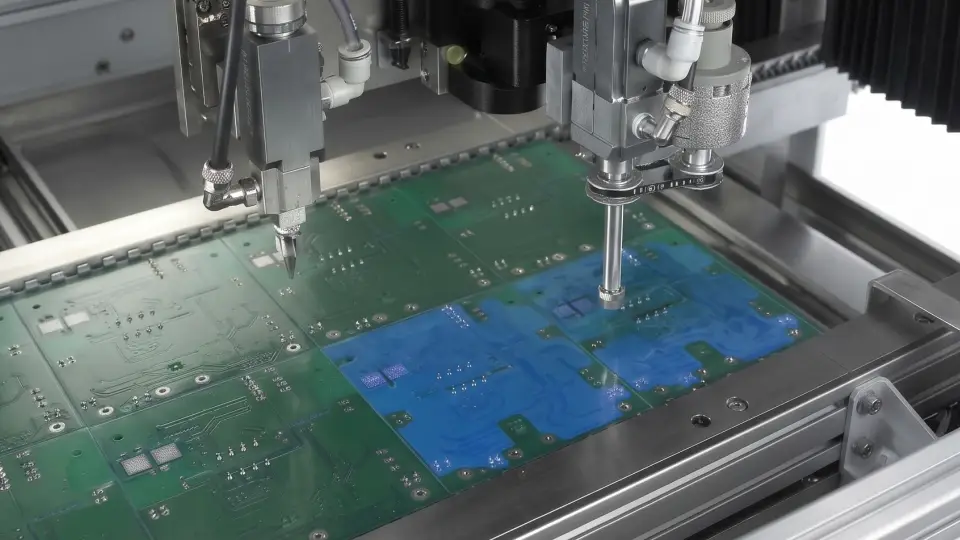
By Amit Kumar Yadav | Technical Writer at Kootai Chemicals
Electronic circuit boards often operate in environments where moisture, dust, chemical contaminants, and temperature fluctuations can affect their long-term reliability. For manufacturers of electronic equipment, protecting sensitive components from these environmental conditions is an important part of product design—a challenge our technical team at Kootai Chemicals helps manufacturers solve daily.
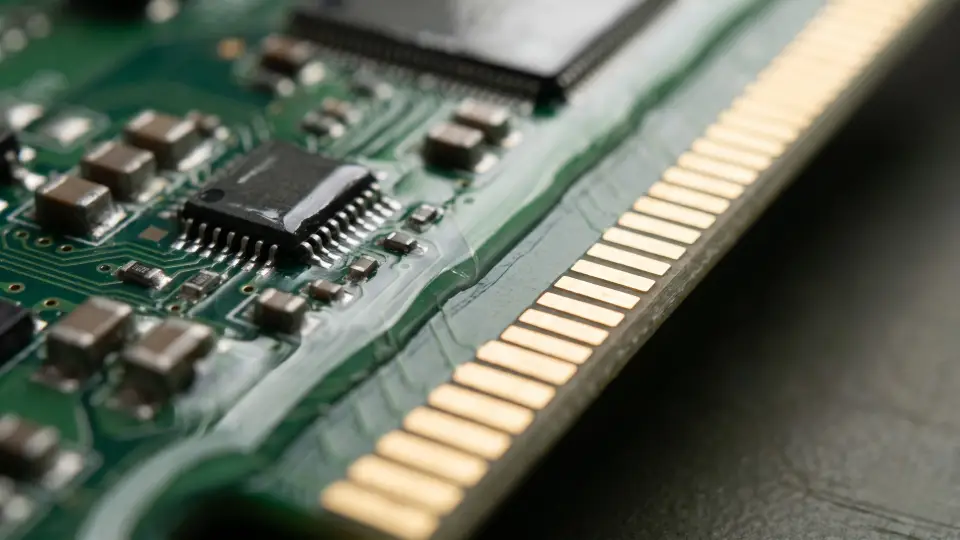
Conformal coating is a thin protective polymer film applied to a printed circuit board assembly (PCBA) to help protect its surfaces and support electrical insulation. When the coating material and application process are selected correctly, it can reduce exposure to environmental contaminants and help improve the reliability of electronic assemblies.
However, not every coating is suitable for every application. Material chemistry, operating temperature, electrical requirements, surface preparation, coating thickness, and curing conditions all influence the final result.
This guide explains how conformal coating works, compares the major coating types, describes common application methods, and outlines the factors electronics manufacturers should consider when selecting a protective coating.
Table of Contents
1. What Is Conformal Coating?
Conformal coating is a thin, polymer-based protective layer applied to the surfaces of printed circuit board assemblies. It follows the contours of the board and its components, covering selected areas such as solder joints, conductive tracks, and electronic component surfaces.
Unlike potting compounds, which typically encapsulate a substantial portion of an electronic assembly, conformal coatings are applied as relatively thin films.
Their main purposes include:
- Reducing direct exposure to atmospheric moisture and environmental contaminants.
- Supporting electrical insulation under specified operating conditions.
- Helping limit corrosion associated with environmental exposure.
- Reducing the risk of surface leakage currents when the coating system is properly selected and applied.
- Supporting the reliability of electronic assemblies in demanding environments.
The level of protection depends on the coating’s properties, adhesion, coverage, thickness, and compatibility with the assembly. Conformal coating should not automatically be considered waterproofing or hermetic sealing. Moisture may still enter through uncoated areas, interfaces, defects, or other pathways.
Conformal Coating vs. Potting
Both technologies are used to protect electronics, but they serve different engineering purposes. When engineering protection for your printed circuit boards, you will typically choose between conformal coating and potting (encapsulation). While both methods defend against moisture and chemical corrosion, they serve fundamentally different structural purposes. Conformal coating applies a lightweight film for environmental protection, whereas potting submerges the assembly in a thick resin for extreme mechanical support. Review the comparison matrix below to determine which method best aligns with your manufacturing requirements.
| Feature | Conformal Coating | Potting |
| Protection method | Thin protective film | Encapsulating compound |
| Material consumption | Generally lower | Generally higher |
| Added weight | Usually minimal | Can be substantial |
| Component accessibility | Some areas can remain accessible | Components are generally difficult to access |
| Mechanical support | Limited in most applications | Can provide mechanical support |
| Repair and rework | Depends on coating chemistry | Often more difficult |
| Typical objective | Environmental protection & insulation | Encapsulation & mechanical protection |
2. Why Do Electronic Circuit Boards Need Conformal Coating?
Electronic assemblies can experience reliability problems when moisture and contaminants interact with exposed conductors and sensitive components. Understanding these failure mechanisms helps manufacturers determine whether conformal coating is appropriate for their application.
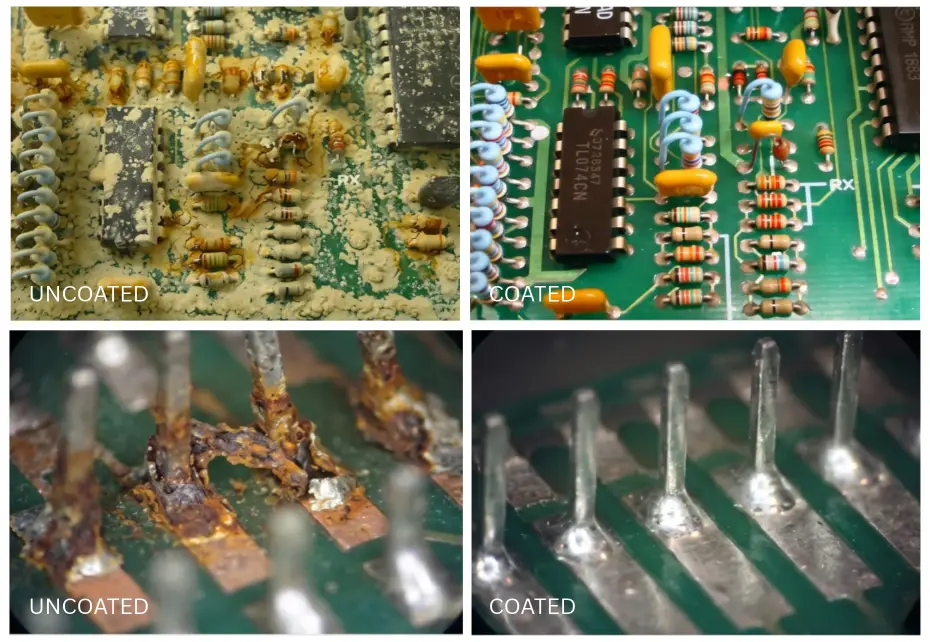
- Moisture and Electrical Leakage: Moisture can accumulate on circuit board surfaces, particularly in humid environments. When moisture combines with ionic contamination, conductive pathways can develop between electrical conductors, contributing to leakage currents and electrochemical migration.
- Corrosion of Conductive Materials: Copper traces, solder joints, and other metallic features may deteriorate when exposed to moisture and corrosive contaminants. A continuous, well-adhered coating can reduce contact between these surfaces and the surrounding environment.
- Temperature Changes and Thermal Stress: Different materials within a PCB assembly expand and contract at different rates during heating and cooling. A suitable coating must accommodate the expected temperature range and thermal cycling without unacceptable cracking.
- Dust and Chemical Contamination: Industrial environments may expose circuit boards to airborne pollutants, oils, or chemical vapours. Conformal coating acts as a critical physical barrier against these elements.
3. Types of Conformal Coating
Different coating chemistries offer different combinations of flexibility, chemical resistance, temperature capability, and ease of removal. The most common categories include acrylic, silicone, polyurethane, epoxy, and parylene.
| Coating Type | Main Consideration | Potential Limitation |
|---|---|---|
| Acrylic (AR) | General protection and rework | Resistance to certain solvents and high temperatures |
| Silicone (SR) | Flexibility and thermal stability | Formulation-specific adhesion and chemical resistance |
| Polyurethane (UR) | Resistance to selected chemicals and abrasion | Removal and rework complexity |
| Epoxy (ER) | Hardness and durability | Rigidity and difficult removal |
| Parylene (XY) | Thin, conformal vapour-deposited films | Specialised processing requirements |
Acrylic Conformal Coating
Acrylic conformal coatings are commonly used where straightforward application, general environmental protection, and relatively convenient rework are important.
- Advantages: Straightforward application, good general-purpose protection, easily removed using compatible solvents for repair work.
- Limitations: Generally limited when exposed to aggressive solvents or demanding high temperatures.
Silicone Conformal Coating
Silicone conformal coatings are frequently considered for electronic assemblies that experience substantial temperature changes or require flexible protective films.
- Advantages: Excellent thermal stability, extreme flexibility during thermal cycling, useful moisture protection, and strong weathering resistance.
- Note: Silicone conformal coating is not the same as silicone thermal adhesive or thermal grease. Coating provides protection, while thermal materials facilitate heat transfer.
Polyurethane Conformal Coating
Polyurethane coatings are often selected when resistance to particular chemicals, oils, or abrasion is important. They provide a durable protective film for electronic assemblies exposed to challenging operating conditions.
Epoxy Conformal Coating
Epoxy coatings form hard, durable films with useful resistance to certain chemicals and mechanical wear. However, their relatively high rigidity may be a disadvantage where an assembly experiences substantial thermal expansion differences.
Parylene Conformal Coating
Parylene is a specialised coating material deposited through a chemical vapour deposition process. It can form very thin, highly conformal films over complex geometries but requires specialised application equipment.
4. How Is Conformal Coating Applied to a PCB?
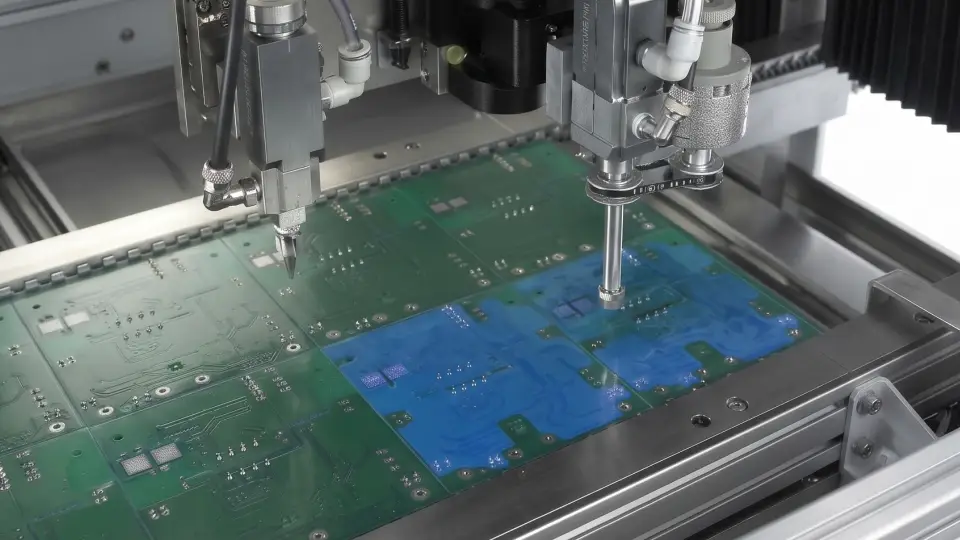
A successful coating process requires suitable material selection, appropriate surface preparation, and controlled application.
- Inspect and Prepare the PCB: Inspect the assembly for dust, moisture, and manufacturing residues (like soldering flux). Ensure the assembly is adequately cleaned and dried.
- Mask Areas That Must Remain Uncoated: Connectors, contact surfaces, test points, and switches must be masked to preserve their electrical or mechanical function.
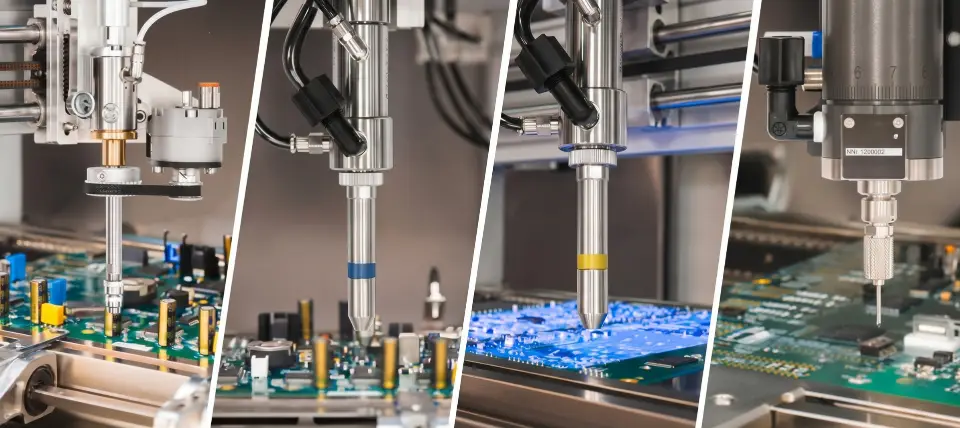
- Apply the Coating: Methods include manual brushing (for small batches), spray coating, dip coating, or automated selective coating (using programmed dispensing equipment).
- Cure the Coating: Depending on the chemistry, curing may involve solvent evaporation, moisture curing, thermal curing, or ultraviolet (UV) curing. A coating that feels dry to the touch is not necessarily fully cross-linked and cured.
5. Conformal Coating Thickness and Quality Control
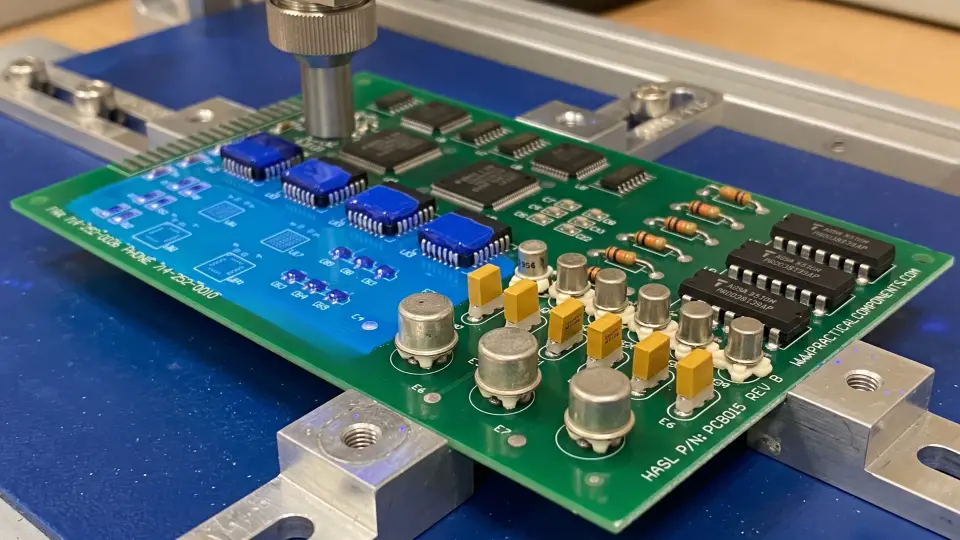
There is no single thickness that is correct for every conformal coating. Insufficient coverage may leave sensitive surfaces exposed, while excessive coating thickness can create material accumulation, prolonged curing, or mechanical stress.
Quality-control methods typically include visual inspection of coverage under UV light (as many coatings contain UV tracers), thickness measurements, adhesion assessments, and electrical testing under defined conditions.
6. How to Select the Right Conformal Coating
Selecting a coating should begin with the requirements of the finished electronic assembly. Consider the following factors:
- Operating environment: Will the equipment encounter humidity, dust, salt, oils, or chemical vapours?
- Temperature requirements: What are the expected operating temperatures and thermal cycling conditions?
- Electrical performance: Are there high-voltage areas requiring special insulation consideration?
- Maintenance requirements: Will components need to be inspected, repaired, or replaced during the equipment’s service life?
7. Applications of PCB Conformal Coating
Conformal coating is used across multiple industries where environmental exposure and electrical reliability are critical:
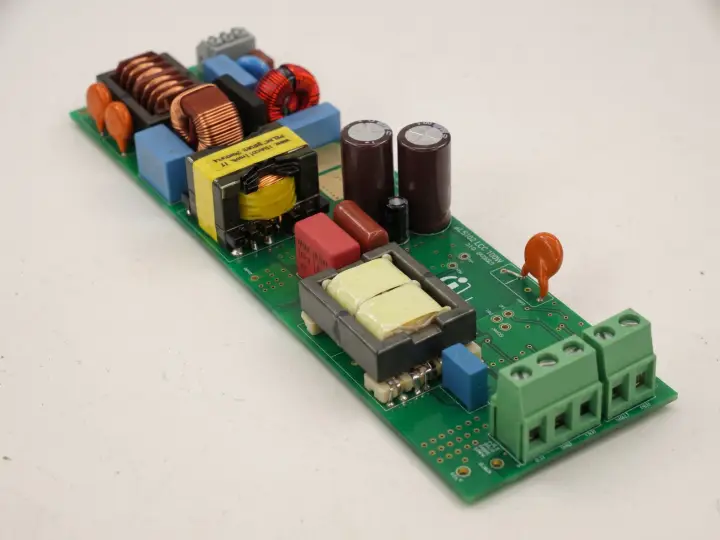
- LED Lighting Electronics: Protects driver boards from humidity and temperature fluctuations without interfering with optical requirements.
- Automotive Electronics: Protects control modules and sensors from temperature cycling, vibration, and automotive fluids.
- Industrial Control Systems: Provides a protective layer for monitoring equipment and power electronics operating near dust, moisture, or oils.
- Outdoor Electronic Equipment: Complements enclosure sealing to protect against condensation, seasonal temperature changes, and airborne pollutants.
Frequently Asked Questions
What is conformal coating used for?
Conformal coating provides a thin protective film on electronic assemblies. It helps reduce environmental exposure and supports electrical insulation when the material and application process are appropriate.
Which conformal coating is best for PCBs?
There is no universally best coating. Acrylic, silicone, polyurethane, epoxy, and parylene each offer different characteristics. The choice depends on temperature, chemical exposure, electrical requirements, and rework needs.
Is silicone conformal coating suitable for high temperatures?
Many silicone formulations offer excellent thermal stability, but their exact operating-temperature limits vary. Always consult the specific product’s technical data sheet.
Does conformal coating make a PCB waterproof?
No. Conformal coating can improve resistance to specified moisture exposure, but it does not automatically provide complete waterproofing or protection against prolonged immersion.
Conclusion
Conformal coating is a critical consideration when electronic assemblies must operate reliably in environments where moisture, contaminants, and temperature changes can affect performance. Understanding the differences between acrylic, silicone, polyurethane, epoxy, and parylene coatings helps manufacturers make informed decisions based on their exact engineering requirements.
If you are looking for high-quality protective solutions for your printed circuit boards, Kootai Chemicals offers a comprehensive range of industry-leading conformal coatings. Contact our engineering team today to request technical data sheets, obtain product samples, or speak with our experts about your specific application requirements.
About the Author
Amit Kumar Yadav is a Technical Writer at Kootai Chemicals, specializing in industrial electronics protection, coating formulations, and printed circuit board reliability. With deep knowledge of conformal coating chemistry and electronics assembly standards, Amit helps manufacturers understand the right protective solutions to prevent environmental failures and maximize board longevity.

